
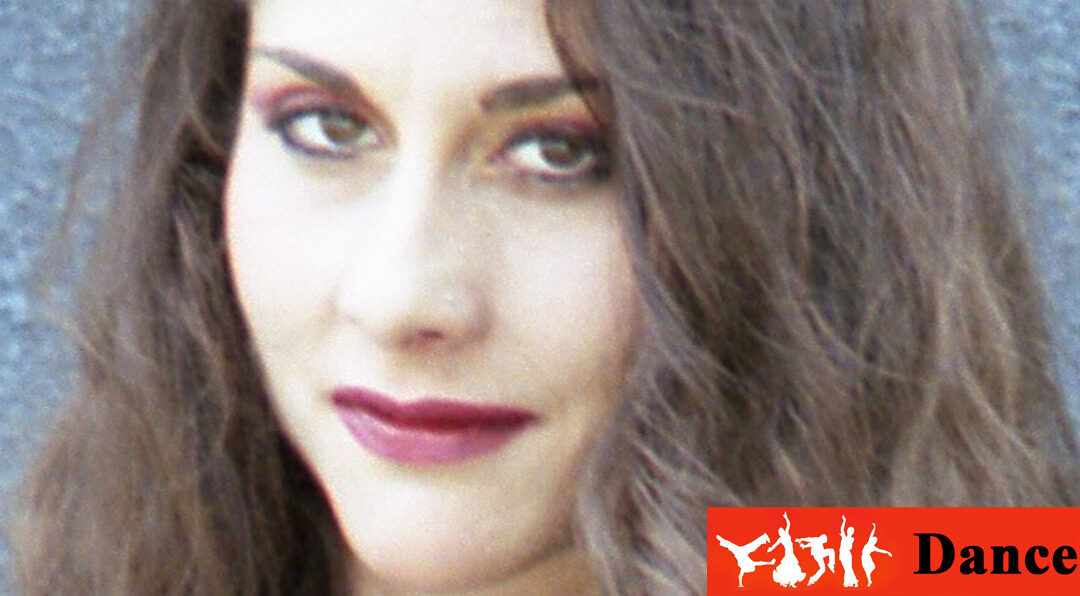
Kristina talks about Middle Eastern dance and culture. Learn more at www.divinedances.com. Photo by Delise Ward.
DanceTalks with Kristina Koutsoudas: Full Transcript
Hosted by Andrea Cody, Director of Dance Houston. Originally released May 17, 2020. This transcript was generated automatically and may contain small errors.
Andrea [0:28]: This is your host, D.A.——————– in And we'd love for you to just take us on your journey from the very beginning. That's going up into it. Never saw anyone. Well, tell us what the next moment was like in terms of training or creating your first work. Tell us about your first work. Where were you? Yeah. Ah, well, ah. Wow. It was the exportation of it that made it a genre. Before that it was just, whoa. Whoa. Cool.
Kristina Koutsoudas [13:27]: Where, I have so many
Andrea [13:42]: From head and then the women don't dance with the men but then
Part 2 (16:45)
Kristina Koutsoudas [16:45]: There's like this And then the World War II and the division of tradition in the Matic culture started to get broken up into countries. And so that's why the arts kind of people today because the works of art me from the past are people now whereas later after World War II they became national into countries that speciallies. Wow. Yeah, I can.
Andrea [20:07]: Subscribe your personal style.,
Kristina Koutsoudas [21:24]: Totally. No, what do you What do you mean illustrate?
Andrea [22:50]: Okay, yeah, like the sound waves are moving through her and moving her physically. Yeah.
Kristina Koutsoudas [24:34]: Why are you calling it folkloric?
Andrea [24:37]: What does that word mean to you? Yes? Large orchestra ensemble. There's great differentiation. It's like classical music here. And it has like a lot of texture and various cerebral, sometimes hard to concretize, form. And that's also true for Middle Eastern bands. There's compositional music in Middle Eastern culture. And then there's a new genre of theatrical folk where they try to stage the Reaping grain in the fields, healing ceremony, things that are for culture that are perhaps Seeing are done because people would need money to go see- see it because they're all the time. But gathering in, gathering water from the well.
These kind of slices of life are disappearing so they- they're now being on stage. Preparations for battle and martial art that things are now being done. Right. I remember that with Alna Shama. Their sword dance. It's cool. It's beautiful. To see that.! Where is it? I see. Yeah. Yeah. And what do you do in that context when you perform?
Kristina Koutsoudas [28:47]: Like, what's the format of your show? Yes. Yeah. Awesome. Have you been there? Yeah.
Part 3 (31:42)
Andrea [31:42]: Yeah, there wasn't there wasn't like a stop on your tour for it. So in a way it's perfectly preserved. If you go there. Oh, yeah. Right. Yeah, I think I've seen some of the guys from Houston are flying around teaching, giving workshops, you know, and it's incredible to see a big group of men on top of a building in Kuwait break, break dancing. I've been to a couple of countries in the Middle East and I kept my eyes peeled for a nightclub and it was just I and you know,
Kristina Koutsoudas [40:18]: Wow. I think the closest thing I saw was like one morning. I saw a trash
Andrea [40:24]: Being covered doesn't really go hand in hand with a performance. So I could imagine that to dance, even to be able to be seen dancing means you're not covered. So unless you're with your husband, right? competition show you know
Kristina Koutsoudas [44:01]: Yeah that well I think her maybe the careers of dancers who
Andrea [44:05]: Are not ballerina's have exploded so much or if you said
Kristina Koutsoudas [44:18]: You were a dancer that meant you were a stripper because you were not a
Andrea [44:22]: Cheerleader and there wasn't any otherותר profession except a dance teacher and you didn't say that so yeah I feel like that isn't that has definitely evolved because I think I know a lot of who are dancers and they just that's there's a whole new place to do it with studios and
Part 4 (52:38)
Kristina Koutsoudas [52:38]: And what I feel like you're sharing is that you're a dancer, you're a dancer in your heart.
Andrea [52:41]: Of the FCC like here it's like if you do something of an explicit nature sexually, you know, that is a exception to the first amendment I mean there's some censorship here and they're and they're certainly We're not going to get broken up for dancing together, it's a day at home order, but dance
Kristina Koutsoudas [54:33]: Halls have to pay an annual license fee, I think it's about $750 and dance studios do not,
Andrea [54:46]: And then cabarets, which is another word For strip clubs speach clubs, they also have a license fee that's more expensive., so it's like, the more clothes that are going to be left out of the room, the more it's going to cost. Well, I shouldn't say that. It goes from which is free which is free dance hall, which is going to cost you a little bit, to a strip club which is going to cost you quite a bit more.
Kristina Koutsoudas [55:52]: So you mentioned, you think we really, oh sorry, yeah, story of my life, for sure.
Andrea [56:07]: You were saying that what we really need to do is honor our teachers, like the people who pass this on to us. How do you? You think we should honor them? Well, we are living in a new, a very, very fast, changing world right now. We went from to one lifestyle to, we went from one lifestyle to another and we're adjusting. If we